
Is skydiving safe?
When you think about skydiving, a few things probably come to mind right away: a rush of adrenaline, jaw-dropping views, and that incredible feeling of total freedom. But there’s also one question almost everyone asks — how dangerous is skydiving?
It’s a fair question. Understanding the risks is an important part of deciding to skydive for the first time. Just as important, though, is putting those risks into proper perspective.
Skydiving is an extreme sport, and like any adventure activity, it comes with inherent risk. The good news? Thanks to modern equipment, thorough training, and strict safety standards, the risk of accident or injury has been reduced dramatically over the years.
Our goal is for you to feel confident, informed, and excited about your jump. So let’s break down the facts and take an honest look at skydiving safety.
Starting with the numbers
In 2024, the United States Parachute Association (USPA) reported an estimated 3.88 million skydives in the U.S. with 9 fatalities, marking the lowest number of skydiving deaths on record — a rate of about 0.23 fatalities per 100,000 jumps (or roughly one fatality for every 431,000 skydives).
For tandem skydivers the figure is lower – in 2024, there were zero tandem skydiving fatalities in the US.
What are the risks of skydiving?
Skydiving, like everyday activities such as driving, crossing the street, or walking down stairs, carries some level of risk. But just like using a crosswalk or holding the handrail, making smart choices greatly reduces that risk.
Potential risks of skydiving can include parachute malfunctions, hard landings, mid-air collisions, or pre-existing medical issues. That said, for many people, the biggest “risk” is falling in love with the experience — and wanting to do it again and again.
How Skydiving Risks are Reduced – A Safety-First Mindset
Behind the thrill and excitement of skydiving is a deep, unwavering commitment to safety. Education, continuous training, routine inspections, and a strong safety culture are all fundamental to the sport.
Skydive Raleigh’s dropzone community encourages learning, growth, and accountability.
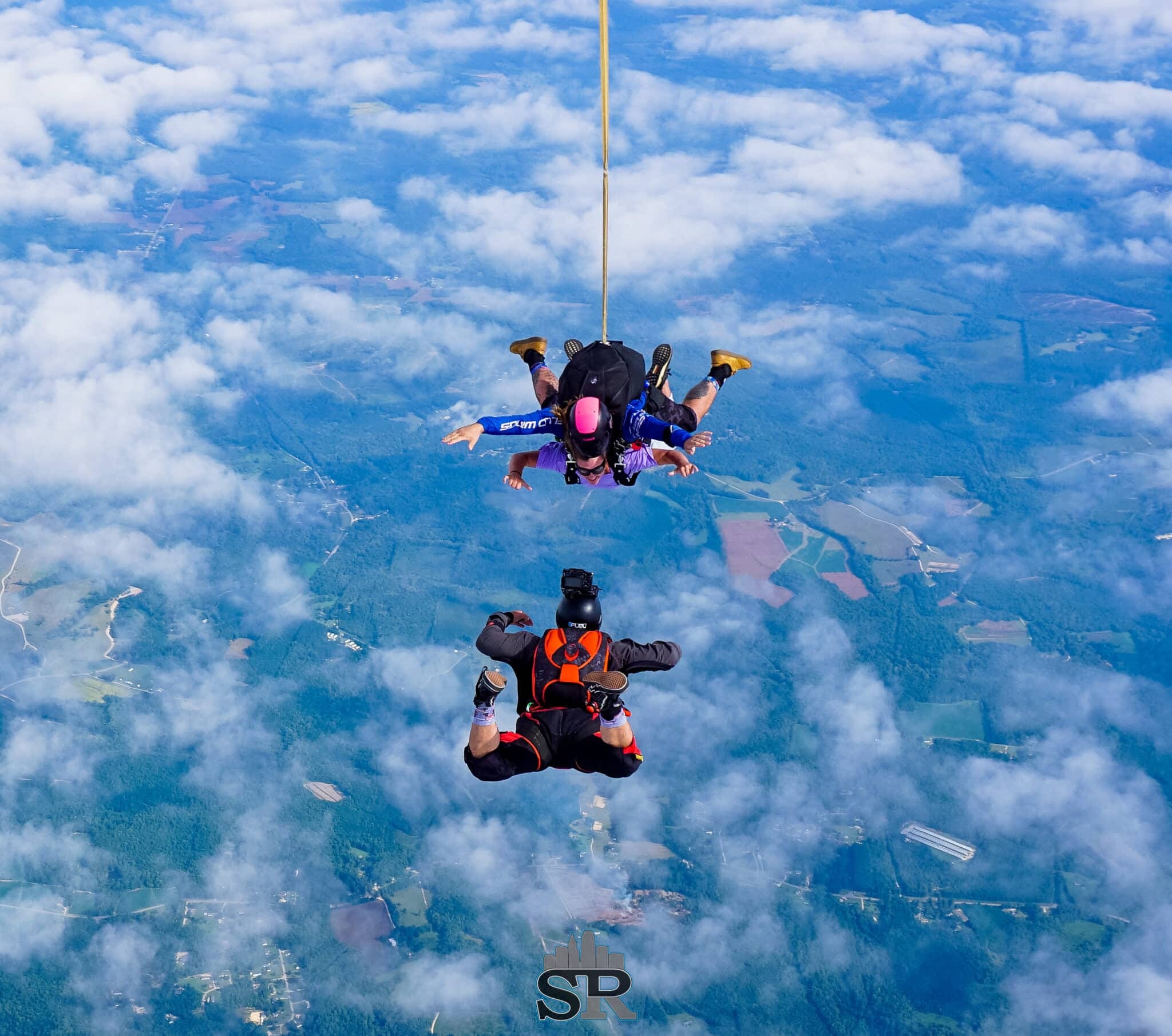
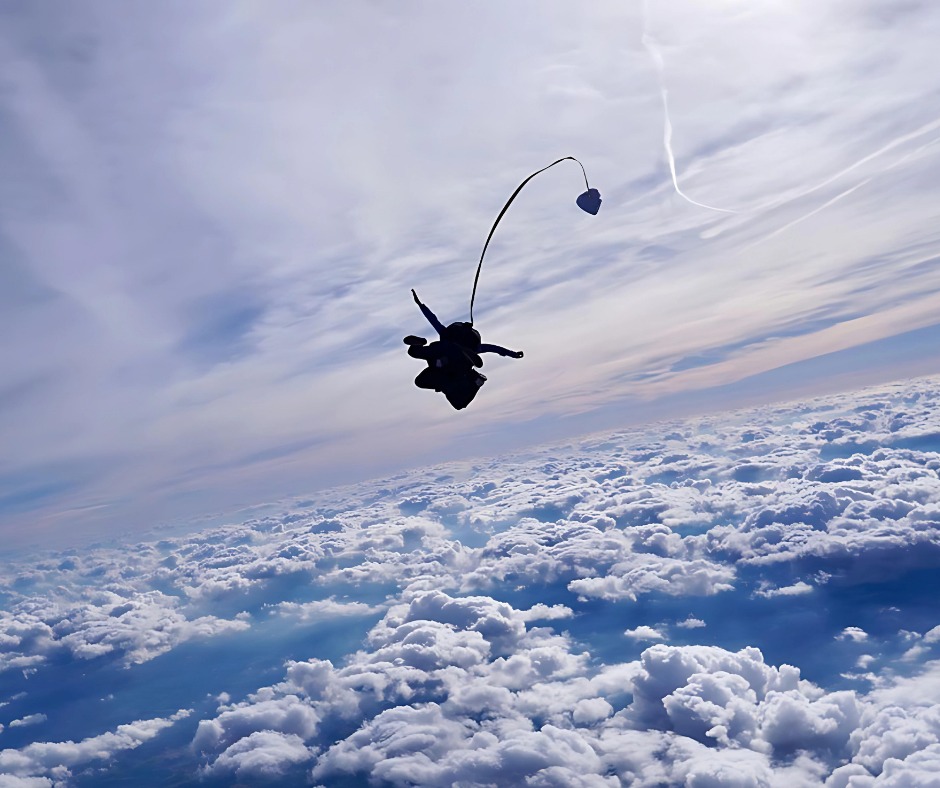
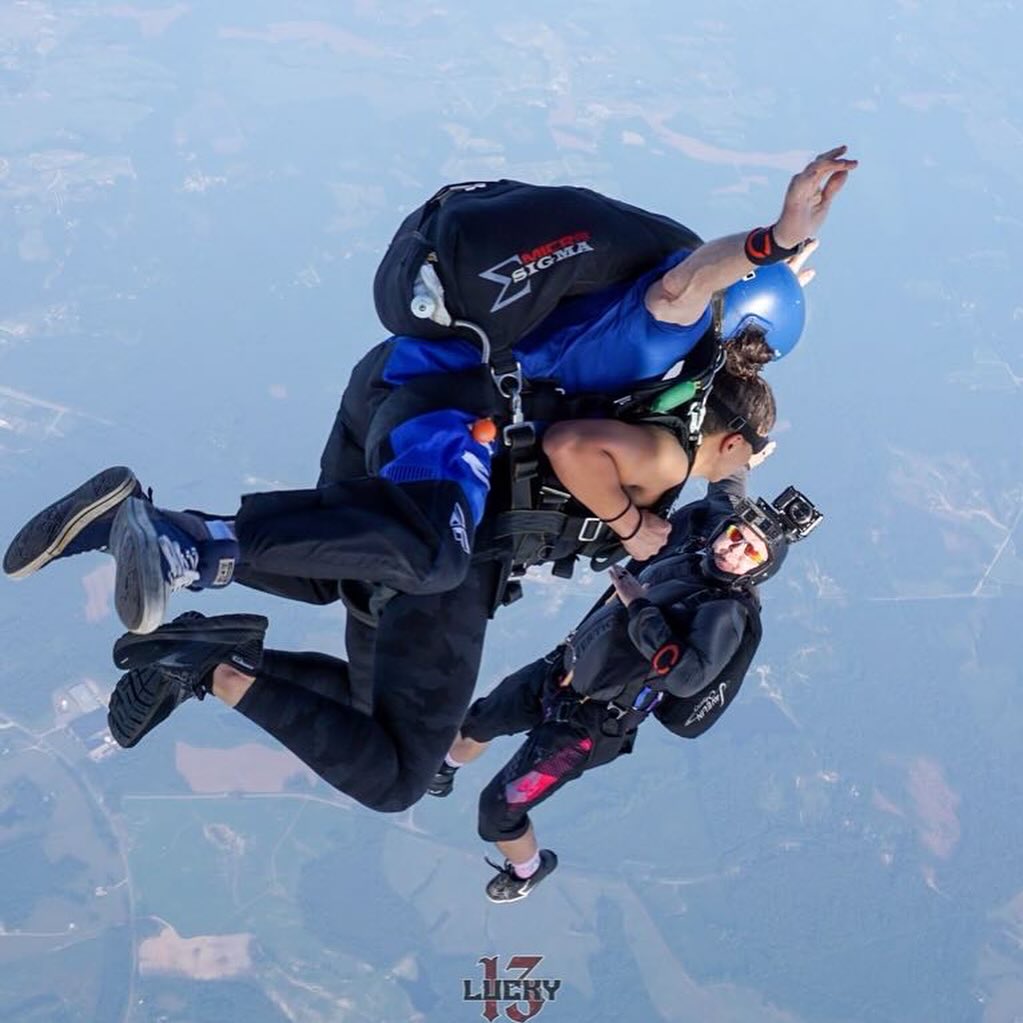
Meticulously Maintained Equipment & Aircraft
Every piece of equipment used in skydiving is carefully inspected and maintained.
Jump planes undergo routine inspections by certified aviation mechanics, and pilots perform detailed pre-flight checks before every takeoff.
Every parachute system is checked before it’s worn by our instructors — and then checked again by another jumper. These “gear checks” ensure everything is packed and functioning exactly as it should.
Skydiving equipment is designed with multiple layers of backup. All tandem parachute systems are equipped with:
Reserve Static Lines: These help deploy the reserve parachute automatically if the main canopy is released. (Yes — we jump with two parachutes.)
Automatic Activation Devices: These small onboard computers monitor altitude and speed. If a skydiver is too low and still falling too fast, the AAD activates the reserve parachute automatically. AADs save lives.
Perhaps the most important safety measure of all is mindset. Skydivers respect the risks of the sport — and that respect drives everything we do.
And when you land? Odds are you’ll be smiling, adrenaline-buzzed, and wondering why you didn’t do it sooner. Of course, if you still have questions, contact us .